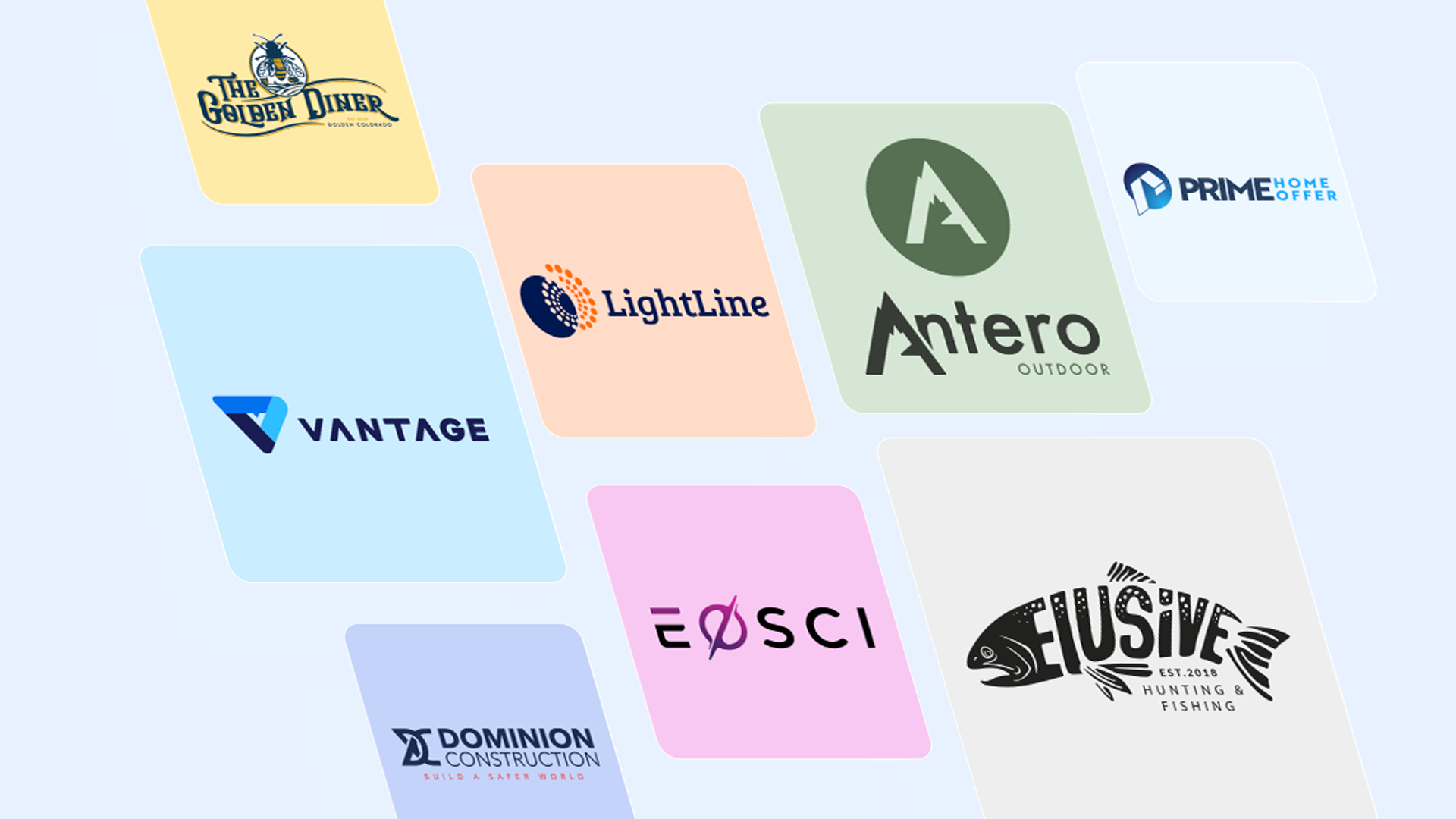
Key Design Elements Businesses Can’t Ignore When Working on Their Logo Design and Brand Identity
In 2026, your logo design and brand identity is no longer treated as a surface-level design exercise. It operates as a foundational business system; one that directly influences recognition, credibility, and long-term growth. Across digital and physical environments, audiences expect brands to feel deliberate, cohesive, and aligned at every point of interaction.
A well-constructed brand identity does more than look refined. It provides structure for decision-making, clarity in communication, and consistency in execution. The following elements define what separates a functional brand from one that performs at a high level.
Strategic Clarity Comes First in Brand Identity
Strong branding begins with alignment, not aesthetics. Before any visual direction is explored, there must be a clear understanding of what the business represents and how it positions itself within its market.
Without this foundation, branding decisions tend to become reactive, subjective, or trend-driven. With it, every design and communication choice becomes intentional.
A well-defined strategic foundation typically includes:
- Purpose beyond product or service
A clear articulation of why the business exists and what it contributes beyond transactional value. - Audience definition with specificity
Understanding not just demographics, but behaviors, expectations, and decision-making patterns. - Competitive positioning
Identifying where the brand stands within its category—and more importantly, where it chooses to differentiate. - Value proposition clarity
A concise explanation of why a customer should choose this brand over alternatives. - Internal alignment
Ensuring leadership and stakeholders are operating from the same strategic perspective, reducing inconsistencies later in execution.
When strategy is defined with precision, branding becomes a disciplined process rather than a series of aesthetic preferences.
At BRANDING IS WHAT WE DO, this level of strategic clarity is established deliberately before any design work begins. Every engagement includes a dedicated consultation, typically lasting at least one hour, focused entirely on uncovering the foundational elements that define the brand. During this process, we guide clients through a structured discussion around purpose, audience, positioning, value proposition, and internal alignment, while carefully documenting these insights to ensure accuracy and continuity. This step is treated as a critical phase that informs all subsequent decisions. By investing the time upfront to understand how the business operates, how it differentiates, and how it intends to be perceived, we ensure that every visual and messaging outcome is grounded in strategy rather than preference, resulting in a brand that is cohesive, intentional, and built to perform.
Consistent Visual Identity Across Touchpoints
Consistency is what allows a brand to build recognition over time. Without it, even strong design elements lose their impact.
A visual identity system is not simply a logo and a color palette—it is a structured framework that governs how the brand appears in every context.
A disciplined visual system includes:
- Logo usage standards
Defined rules for scale, placement, clear space, and variations to ensure integrity across formats. - Color system hierarchy
Primary, secondary, and accent colors with intentional use cases to maintain balance and avoid visual drift. - Typography system
Defined typefaces, weights, and usage rules that establish hierarchy and readability across all materials. - Layout and grid structure
A consistent approach to spacing, alignment, and composition that creates visual order. - Imagery direction
Clear guidance on photography style, illustration, and visual tone to maintain cohesion. - Application across mediums
Ensuring the identity holds its integrity whether applied to a website, packaging, signage, or printed collateral.
Consistency does not restrict creativity—it ensures that creativity operates within a system that reinforces recognition rather than diluting it.
Authentic Brand Voice and Messaging
A brand is experienced as much through language as it is through design. Tone, clarity, and consistency in communication shape how a brand is perceived over time.
Brands that lack a defined voice often feel fragmented, even when their visual identity is strong.
A well-developed brand voice includes:
- Tone definition
Establishing whether communication is formal, conversational, authoritative, or restrained—and maintaining that consistently. - Messaging hierarchy
Structuring how core messages are delivered, from high-level positioning statements to supporting details. - Clarity over complexity
Prioritizing direct, understandable language over industry jargon or unnecessary abstraction. - Consistency across platforms
Ensuring that website copy, marketing materials, social content, and internal communications all reflect the same voice. - Audience alignment
Speaking in a way that resonates with the intended audience rather than attempting to appeal broadly.
Clear and consistent messaging builds familiarity. Familiarity builds trust.
Digital-First, Without Ignoring Print
Most brand interactions now begin in digital environments. Websites, mobile experiences, and digital campaigns often serve as the first point of contact.
However, physical brand experiences remain equally important—particularly in industries where tangible interaction reinforces credibility.
A balanced brand system accounts for both:
- Digital-first design thinking
Prioritizing responsiveness, scalability, and performance across devices and screen sizes. - Website as a core brand asset
Treating the website not as a standalone deliverable, but as an extension of the brand’s structure and messaging. - Social and digital adaptability
Designing assets that maintain consistency across evolving digital formats and platforms. - Print material integrity
Ensuring brochures, packaging, and signage reflect the same level of precision as digital outputs. - Material and production considerations
Accounting for paper stock, finishes, and fabrication methods that influence how the brand is physically experienced. - Environmental consistency
Maintaining alignment between digital impressions and in-person interactions to avoid disconnect.
Strong brands do not treat digital and print as separate efforts—they design for continuity between them.
Flexibility for Growth and Change
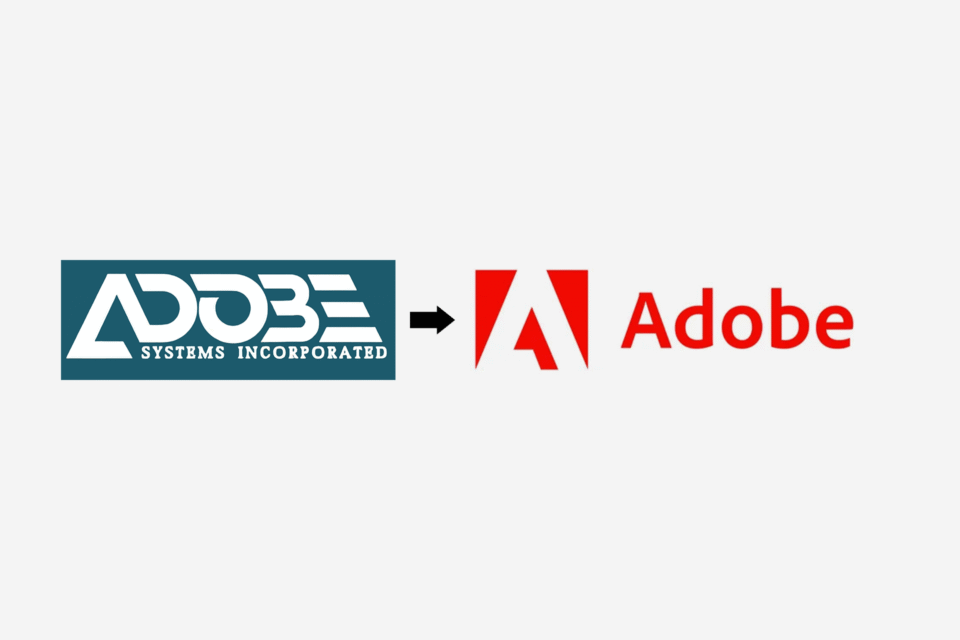
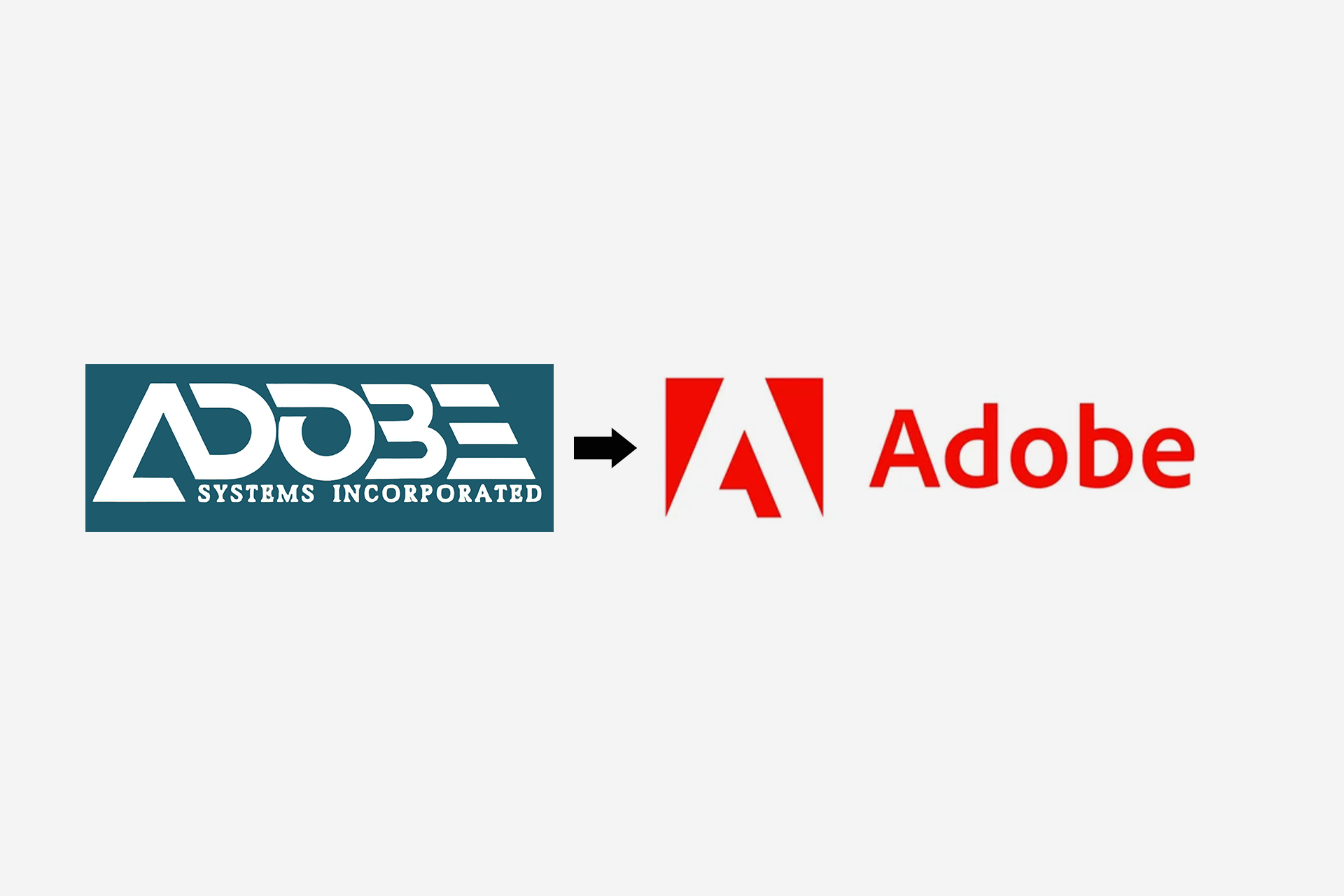
A brand that cannot evolve becomes a limitation. Businesses grow, markets shift, and offerings expand—branding must be able to support that movement without losing recognition.
A resilient brand identity system is designed with adaptability in mind:
- Scalable design systems
Creating frameworks that can accommodate new services, products, or sub-brands without requiring reinvention. - Modular brand elements
Designing components that can be recombined or extended while maintaining consistency. - Clear brand guidelines
Documenting rules that allow internal teams and external partners to apply the brand correctly over time. - Future-proof positioning
Avoiding overly narrow messaging that limits expansion into new markets or offerings. - Controlled evolution
Allowing for updates and refinements while preserving recognizable core elements.
The goal is not to redesign repeatedly—it is to build a system that can absorb change without losing identity.
User Experience Is Part of Brand Identity
Brand perception is shaped by interaction as much as appearance. How a user navigates a website, reads a brochure, or engages with a product directly affects how the brand is judged.
Design without usability creates friction. Branding without structure creates confusion.
A strong brand experience considers:
- Clarity of navigation
Ensuring users can find what they need quickly and without unnecessary steps. - Visual hierarchy
Guiding attention through layout, scale, and contrast so information is absorbed efficiently. - Consistency in interaction patterns
Maintaining predictable behaviors across digital platforms to reduce cognitive load. - Accessibility considerations
Designing for readability, contrast, and usability across a wide range of users. - Alignment between design and function
Ensuring that visual decisions support usability rather than complicate it. - Speed and performance
Recognizing that delays and friction directly impact perception of professionalism.
A well-executed user experience reinforces trust. A poor one undermines even the strongest visual identity.
How Our Denver, Colorado Design Firm Helps Clients Achieve A Strong Brand Identity?
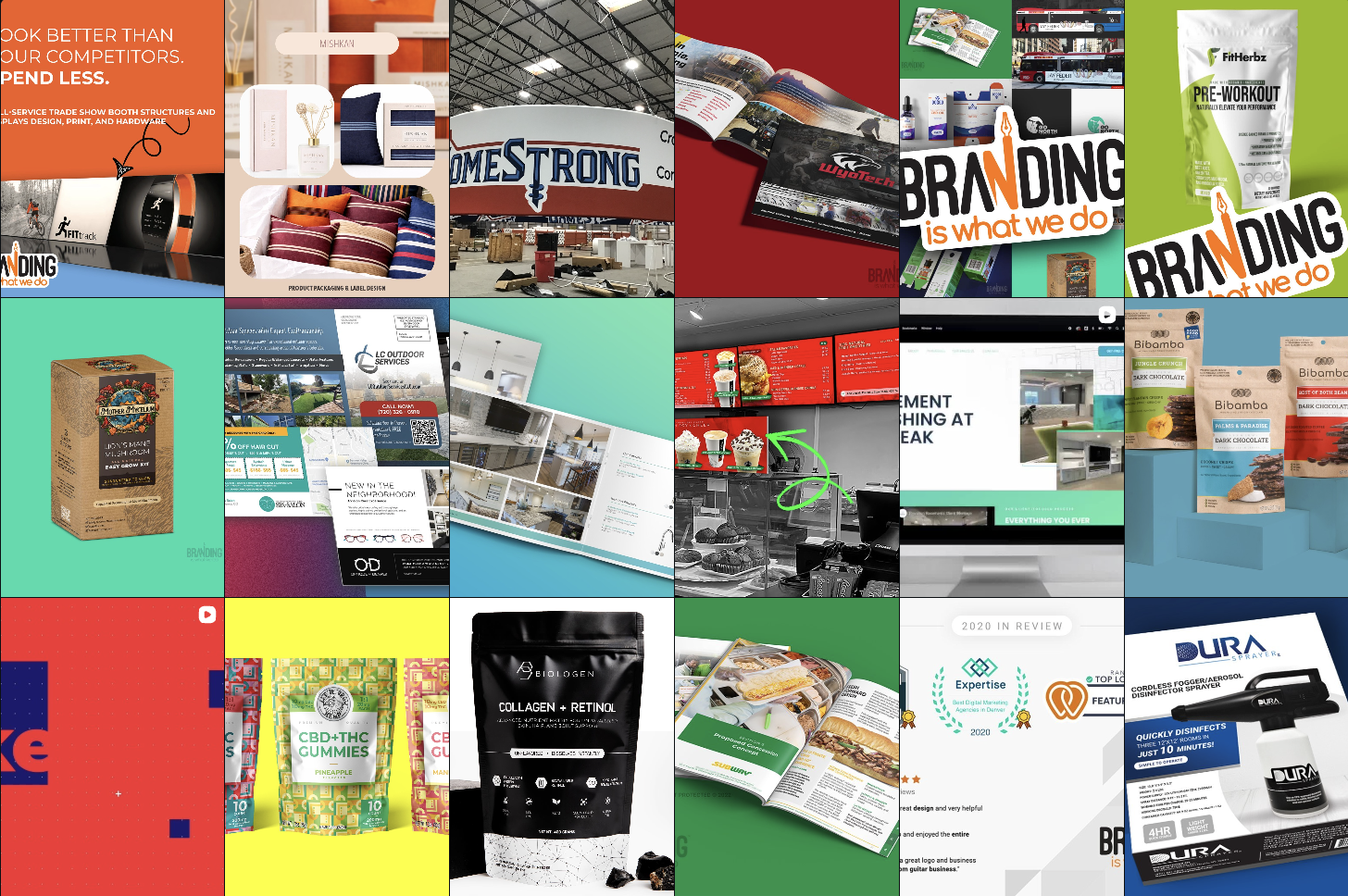
In 2026, strong brand identities are built through deliberate strategy, disciplined systems, and consistent execution. They are not assembled through templates or predefined packages—they are developed through an understanding that each business requires a distinct approach. We offer expert consulting and design execution and support our local Denver clients with the following important areas:
Core Brand Identity Projects
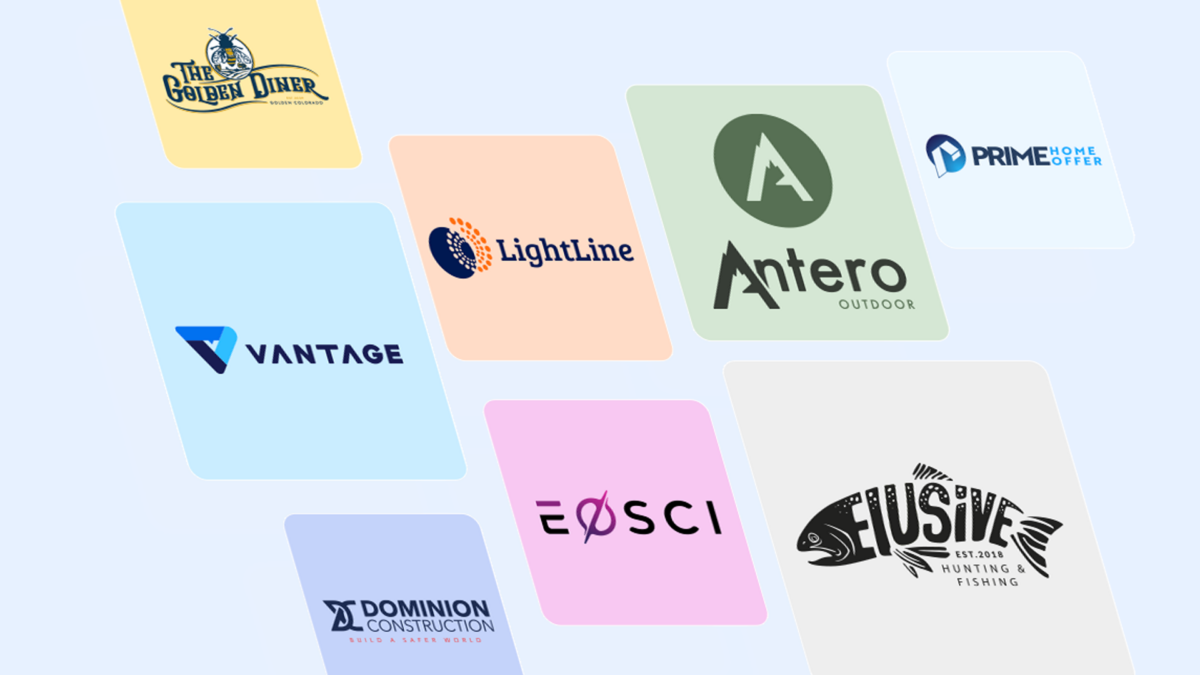
- Logo design and logo system development (primary, secondary, icon variations)
- Full brand identity systems (color, typography, layout, visual language)
- Brand guidelines and standards manuals
- Brand positioning and visual direction refinement
- Rebranding and brand refresh projects
- Corporate identity systems for growing companies
- Personal branding for founders, executives, and public-facing professionals
These projects form the foundation of how a business is recognized and differentiated.
Marketing & Collateral Design
- Business cards and stationery systems
- Brochures, booklets, and multi-page marketing materials
- Flyers, one-sheets, and promotional handouts
- Sales sheets and product sell sheets
- Company profiles and capability statements
- Presentation design (pitch decks, investor decks, internal presentations)
- Direct mail campaigns and postcard design
- Email marketing graphics and templates
These assets support day-to-day sales, outreach, and brand communication efforts.
Packaging & Product Design
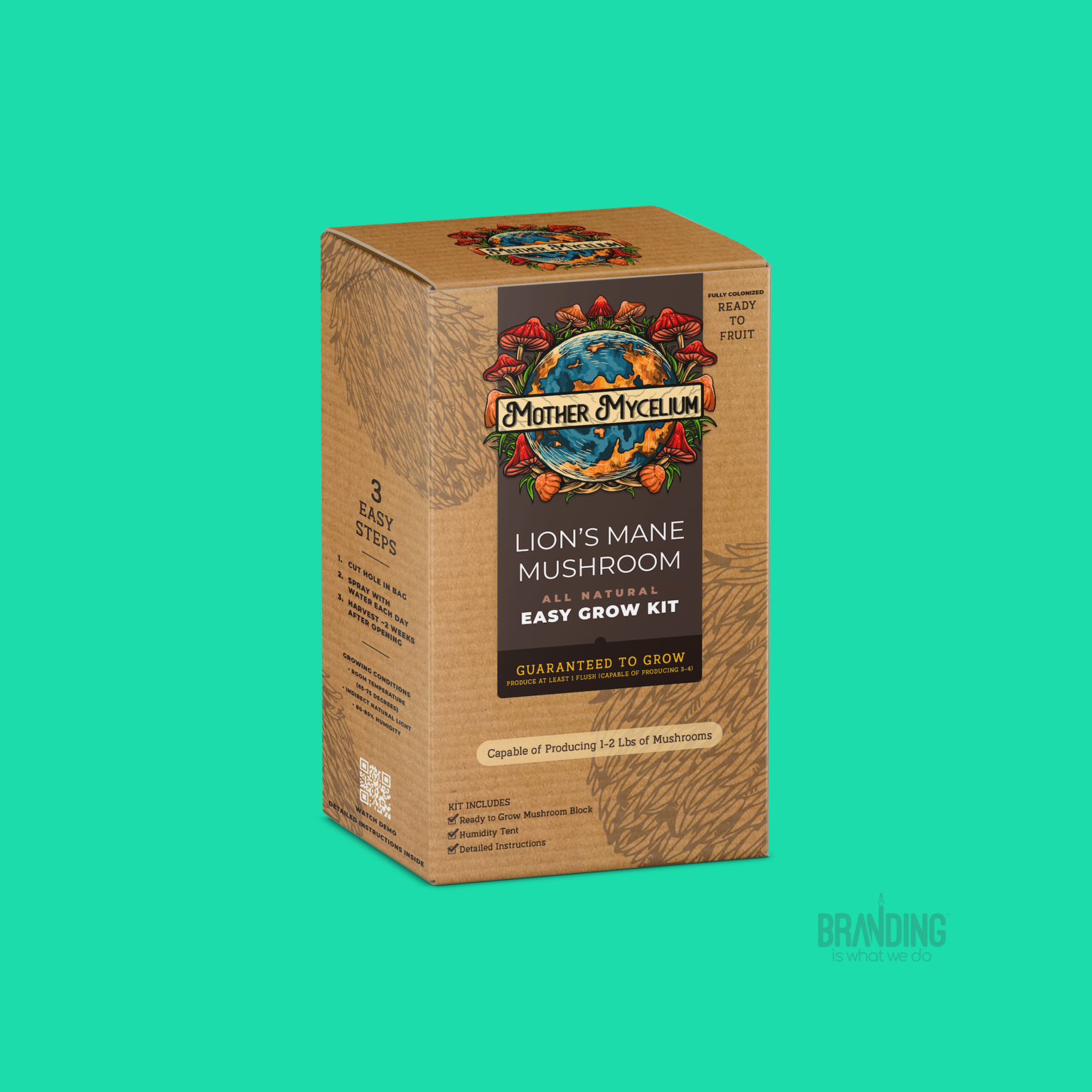
- Product packaging design (boxes, retail packaging, DTC packaging)
- Label design for food, beverage, supplements, and retail products
- Packaging systems for product lines and SKUs
- Unboxing experience design (inserts, branded materials)
- Retail display packaging and shelf-ready design
Packaging is often the first physical interaction a customer has with a brand, making it a critical conversion tool.
Website & Digital Design
- Website design and UI layout (informational, service-based, e-commerce)
- Landing pages for campaigns and lead generation
- Website redesigns and brand-aligned UX improvements
- Mobile-responsive design systems
- Digital brand asset creation (icons, graphics, visual systems)
- Social media graphics and branded content templates
- Digital ad creatives (Google Ads, Meta, display ads)
Your site specifically highlights “websites that sell,” reinforcing the role of design in conversion, not just aesthetics.
Print & Production Design
- Business card printing and specialty finishes
- Brochure and booklet printing
- Postcards and direct mail printing (including EDDM campaigns)
- Sticker and label printing
- Custom forms and internal business documents
- Catalogs and multi-page print production
- Branded envelopes, letterheads, and office materials
A key differentiator is the ability to design and produce these materials under one roof.
Large Format & Environmental Design
- Trade show booth design and exhibit graphics
- Event displays, step-and-repeat backdrops, and signage
- Banners (indoor and outdoor) and flags
- Storefront signage and window graphics
- Wall graphics and interior branding installations
- Vehicle wraps and fleet branding5
These projects extend the brand into physical environments where visibility and scale matter.
Advertising & Campaign Creative
- Digital advertising campaigns (social, display, retargeting)
- Print advertisements (magazines, newspapers, local publications)
- Campaign concept development and visual direction
- Promotional graphics for product launches
- Seasonal and limited-time campaign branding
- Outdoor advertising design (billboards, transit ads)
These are typically tied to specific business goals like lead generation or product promotion.
Sales & Business Development Tools
- Proposal templates and branded documents
- Client onboarding materials and welcome kits
- Branded invoices, estimates, and internal documents
- Sales enablement tools and leave-behinds
- Trade show marketing kits (print + display + collateral bundles)
- QR-integrated marketing materials linking print to digital
These projects focus on making the sales process more cohesive and professional.
Custom & Specialty Projects
- Custom illustrations and branded graphics
- Infographics and data visualization
- Menu design (restaurants, cafés, hospitality brands)
- Event branding systems (invitations, signage, programs)
- Promotional merchandise design (apparel, branded goods)
- Internal branding (employee materials, culture decks)
- Multi-location brand rollout systems
Because your model is not package-based, this category expands depending on client needs.
Ongoing Creative Support
- Retainer-based design support for growing brands
- Continuous brand refinement and asset creation
- Campaign rollouts and seasonal updates
- Multi-channel asset production
- Brand consistency management across teams and vendors
This is where many clients shift from one-off projects into long-term partnerships.
At BRANDING IS WHAT WE DO, based in Denver, Colorado, branding is approached as a comprehensive, one-on-one process. From initial concept through ongoing application, every element is developed to reflect the specific needs, positioning, and audience of each client.
The result is not simply a brand that looks refined—but one that functions with clarity, consistency, and purpose over time.